
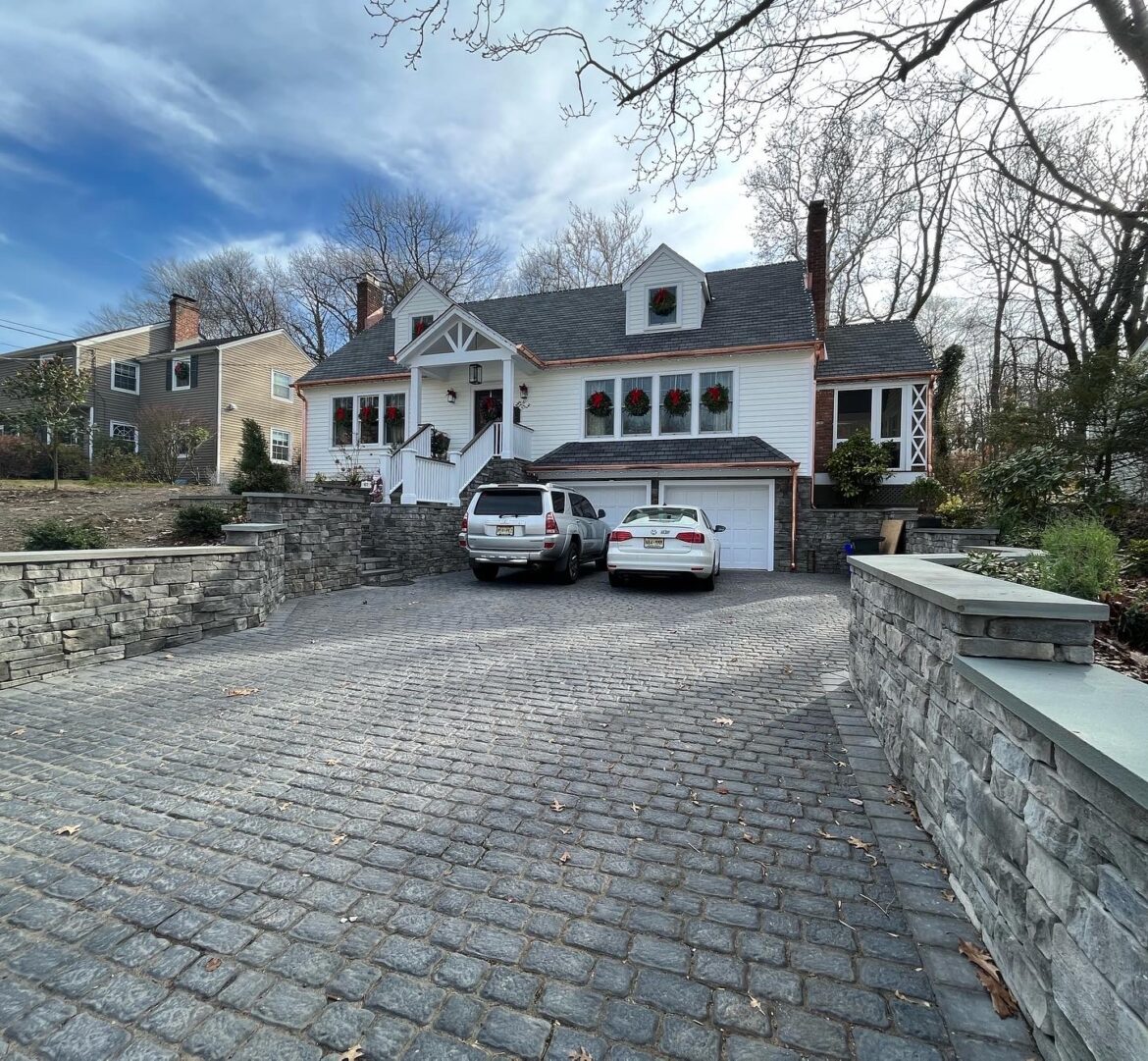
A roof problem rarely shows up at a convenient time. In New Jersey, it’s usually during a windstorm, after heavy rain, in the middle of a freeze-thaw cycle, or right after a tree limb comes down where it shouldn’t. And when water is actively entering your home or commercial building, the clock starts immediately. Waiting even a few hours can turn a manageable repair into soaked insulation, stained ceilings, damaged framing, mold growth, or disrupted business operations.
Learn more: Gikas Roofing New Jersey
That’s why emergency roof repair in NJ isn’t just about patching a hole. It’s about making smart decisions quickly, protecting people inside the property, limiting structural damage, and setting up the right permanent fix. For homeowners and property owners in Essex County, that matters even more because many buildings here have aging roofing systems, multi-level rooflines, chimneys, dormers, flat sections, and other details that can fail under stress.
In this guide, we’ll walk through what actually counts as a roofing emergency, what to do first, how New Jersey weather triggers sudden failures, what a professional emergency response should look like, and how to handle costs and insurance documentation without making expensive mistakes. We’ll also cover how to choose a roofer you can trust when the pressure is on.
What Counts As A Roofing Emergency In New Jersey
Not every roof issue is an emergency, but some situations absolutely are. In practical terms, a roofing emergency is any condition that creates an immediate risk to the building, the people inside it, or the property beneath the roof system.
In New Jersey, that typically includes:
- Active leaks dripping into living spaces, attics, wall cavities, or commercial interiors
- Storm damage that exposes underlayment, decking, or insulation
- Blown-off shingles or membrane sections after high winds
- Fallen branches or tree impacts that puncture or overload the roof
- Sagging roof areas that may indicate structural compromise
- Ice dam-related water intrusion during winter weather
- Flashing failures around chimneys, skylights, vents, and roof-to-wall intersections
A small ceiling stain from an old issue may not be a midnight emergency. But water actively entering the building, visible daylight through the roof, or any sign that a section could collapse should be treated as urgent.
Older Essex County homes often complicate things. Slate accents, layered asphalt roofing, low-slope additions, and aging flashing can all create hidden failure points. Commercial properties have their own risks, especially on flat roofs where ponding water and seam separation can suddenly become interior leaks.
Our rule is simple: if the damage is spreading now, exposing the structure, or making the building unsafe, it’s an emergency roof repair situation and should be addressed fast.
The First Steps To Take After You Discover Roof Damage
The first few actions matter more than most people realize. A calm, organized response can reduce both repair costs and insurance headaches.
Start with safety first. If water is near electrical fixtures, outlets, or equipment, shut power off to the affected area if it’s safe to do so. Move people away from sagging ceilings, wet drywall bulges, and any area where debris may fall. If a tree has hit the building, stay out of the impacted section until the structure is evaluated.
Next, control interior damage. Use buckets, tarps, towels, or plastic sheeting to catch and redirect water. If a ceiling is bulging with trapped water, don’t poke it unless you understand the risk and can do it safely: sudden release can cause a mess or injury.
Then document everything. Take clear photos and video of interior damage, exterior damage visible from the ground, water paths, damaged belongings, and the weather conditions if relevant. Time-stamped records help.
Read more: Bloomfield Roofing Roofer
After that, call a qualified roofer that handles emergency roof repair in NJ. Avoid climbing onto the roof yourself, especially during rain, snow, wind, or after dark. That’s where people get hurt.
Finally, notify your insurance carrier if the damage appears storm-related or significant. The goal is to stabilize the property quickly with temporary protection, then move toward a clear diagnosis and permanent repair plan.
How New Jersey Weather Causes Sudden Roof Failures
New Jersey roofs deal with a little bit of everything, which is part of the problem. Roof systems here don’t just age steadily: they get stressed in cycles, then fail all at once.
Wind is a major trigger. Gusts can lift loose shingles, peel back flashing, or exploit already-weakened fasteners. Once wind gets under one vulnerable area, surrounding materials can follow.
Heavy rain exposes every weak point immediately. A roof that looked “fine” during dry weather may leak badly once water starts pooling, backing up, or driving sideways under shingles.
Snow and ice create a different kind of pressure. Snow loads add weight, especially on older framing or low-slope sections. Then freeze-thaw cycles widen tiny cracks, loosen seals, and contribute to ice dams at eaves. Water gets trapped, backs up, and enters below the roofing surface.
Temperature swings are rough on flashing and sealants. Metal expands and contracts. Old caulk dries out. Rubber components become brittle. Those changes aren’t dramatic day to day, but over time they set the stage for sudden leakage during the next storm.
In Essex County, we also see a lot of tree-related damage because mature trees overhang older houses and multifamily buildings. Add in chimneys, dormers, valleys, and patchwork additions, and the roof becomes a system with lots of stress points.
That’s why emergency roof failures often feel sudden even when the underlying weakness has been developing for years.
Common Emergency Roof Problems Found On Older And Complex Roofs
Older and architecturally complex roofs tend to fail in more than one place at once. A leak may start at flashing, travel along framing, and show up twenty feet away. That’s why emergency diagnostics matter just as much as emergency patching.
In Northern New Jersey, older homes often have multiple roofing layers, additions built in different decades, masonry details, and ventilation setups that weren’t designed to modern standards. Commercial buildings can have drainage issues, aging membrane seams, and equipment penetrations that create their own vulnerabilities.
Read more: Caldwell Roofing Roofer
Below are some of the most common emergency roof problems we see on these properties and why they need quick attention.
Active Leaks And Interior Water Intrusion
An active leak is the most obvious roofing emergency and often the most deceptive. The water stain on your ceiling is rarely the true entry point. Water can travel along rafters, insulation, pipes, and framing before it becomes visible indoors.
Common signs include dripping from ceiling fixtures, bubbling paint, wet insulation in the attic, musty odors, stained drywall, and sudden discoloration around skylights or chimneys. In commercial spaces, you may notice dripping over inventory, ceiling tile collapse, or leaks around rooftop equipment curbs.
The urgency here isn’t only cosmetic. Once water gets inside, it can damage electrical systems, warp wood, ruin insulation performance, and create conditions for mold growth. Even a leak that seems minor can spread into wall cavities and hidden structural areas.
Emergency response usually starts with locating the likely source, protecting the interior, and applying a temporary watertight measure if conditions allow. But the real fix depends on what caused the intrusion in the first place. Sometimes it’s a puncture or missing shingle. Other times it’s failed flashing, a cracked vent boot, or a drainage issue higher up the roof.
Missing Shingles, Flashing Failures, And Wind Damage
High winds expose weak spots fast. If shingles tear off or tabs lift and crease, the underlayment beneath becomes vulnerable to water intrusion. And once one area opens up, the surrounding materials often aren’t far behind.
Flashing failures are just as common, especially on older roofs. Step flashing along walls, chimney flashing, valley metal, and pipe boots can all loosen, corrode, or separate over time. Wind-driven rain doesn’t need a large opening: a small gap at the wrong location can send water into the roof assembly quickly.
This kind of damage is common after coastal storm remnants, strong thunderstorms, and winter wind events in New Jersey. It’s also common on roofs that already have age-related brittleness or poor past repairs. We’ve seen plenty of emergency calls where the visible problem was a few missing shingles, but the deeper issue was improperly installed flashing from years earlier.
Temporary stabilization may involve tarping or sealing exposed areas, but long-term performance depends on replacing damaged components correctly and tying them back into the roof system so the next storm doesn’t reopen the same spot.
Tree Impact, Structural Damage, And Sagging Roof Areas
A tree strike is never just a roofing issue. It can involve decking, rafters, trusses, masonry, gutters, insulation, wiring, and interior finishes all at once. Even if the branch looks small from the ground, the force of impact can create hidden structural damage.
Sagging roof lines are another major warning sign. A dip or depression may indicate rotted decking, overloaded framing, long-term water damage, or a sudden structural shift after snow load or impact. If the roof surface looks uneven and that condition is new, treat it seriously.
Read more: Cedar Grove Roofing Roofer
In these cases, the priority is protecting occupants and preventing further collapse or water entry. The repair process may involve emergency covering, debris coordination, structural assessment, and staged reconstruction rather than a same-day permanent patch.
This is where experienced roofers matter. Complex damage needs a thorough inspection, not guesswork. On older Essex County properties with additions, porches, and mixed roof structures, one damaged area can transfer stress to another. A proper emergency visit should identify those connected risks before repair decisions are made.
What To Expect From A Professional Emergency Roof Repair Visit
A professional emergency response should feel organized, not chaotic. The goal isn’t just to stop water for the next few hours. It’s to stabilize the building, diagnose the real failure, and outline what comes next.
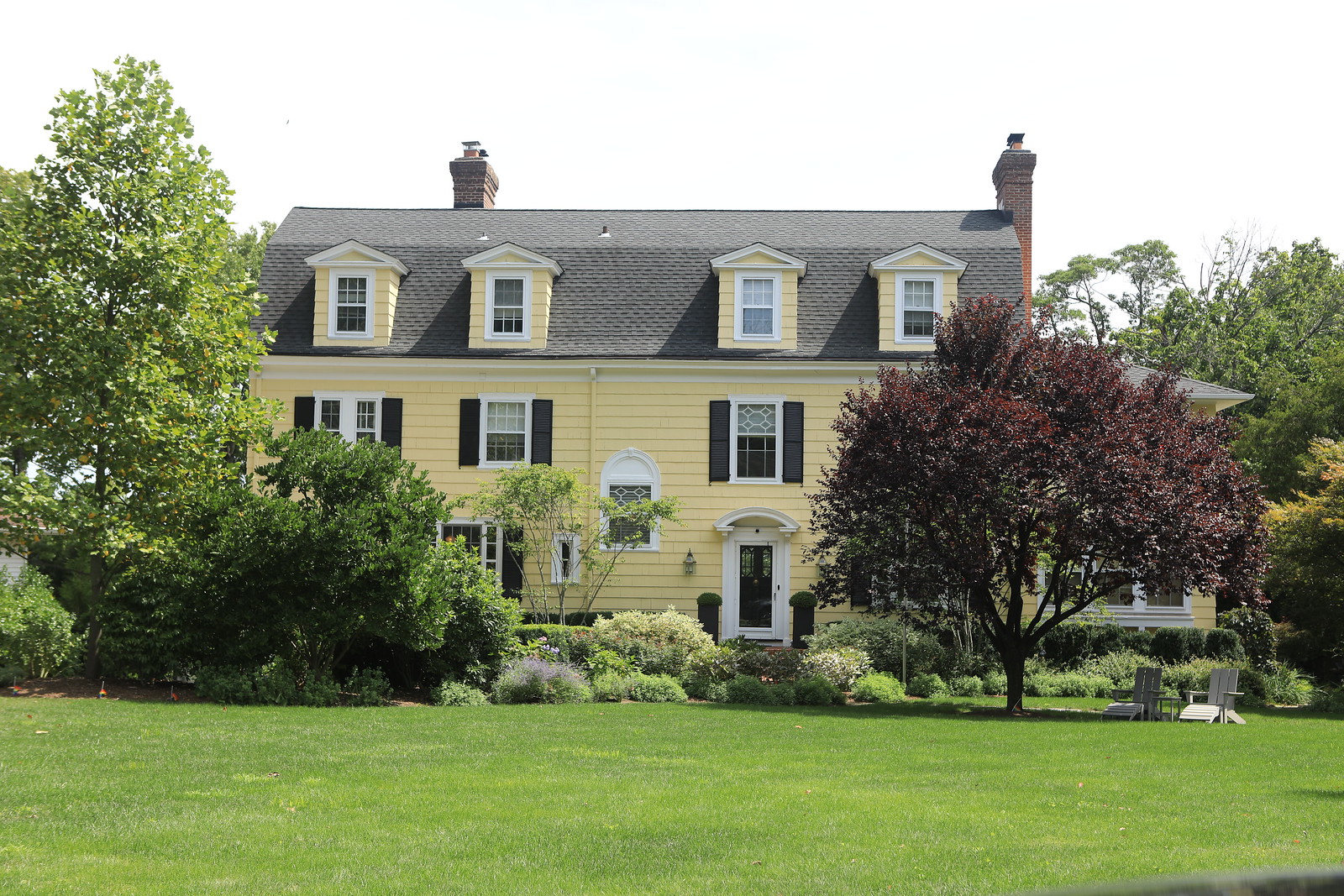
First, the roofer should perform a safe visual assessment from the ground and, if conditions permit, from the roof. That includes looking at shingles or membrane condition, flashing, penetrations, drainage, tree impact, and signs of structural movement.
Next comes interior evaluation. That means checking attic spaces when accessible, tracing leak paths, documenting water entry, and looking for hidden saturation or decking damage. Good roofers don’t rely only on where the stain shows up.
If immediate action is needed, they may install temporary protective measures such as tarping, sealant at a specific failure point, or emergency waterproofing to reduce active intrusion. On flat or low-slope roofs, temporary patch materials may be used where appropriate.
You should also expect photos, findings, and a clear explanation of whether the issue appears repairable, temporarily stabilized, or severe enough to require more extensive work. Reputable contractors provide written recommendations and realistic next steps.
For property owners in Northern New Jersey, it helps to work with a company familiar with older housing stock and complex rooflines. At Gikas Roofing, for example, the emphasis on thorough pre-project inspections and written guaranteed results reflects the kind of process emergency situations need: careful diagnosis first, then the right repair plan.
Temporary Repairs Vs Full Roof Repairs: How To Know What You Need
Not every emergency roof repair becomes a full roof replacement. But not every temporary patch is a smart long-term solution either. The right answer depends on the extent of damage, the age of the roof, and whether the failed area is isolated or part of a bigger pattern.
Temporary repairs are meant to stop ongoing damage now. Think tarping exposed decking, sealing a small puncture, securing loose flashing, or protecting a section damaged by a fallen branch until weather clears. These measures are often necessary and appropriate in active emergency conditions.
But temporary work has limits. If shingles are brittle across multiple slopes, the decking is compromised, flashing is failing in several areas, or the roof is already near the end of its service life, patching one leak may only buy a short amount of time.
A full repair is usually needed when the damaged area can be permanently restored without undermining adjacent materials. That may include replacing shingles and underlayment in one section, rebuilding flashing assemblies, replacing wet decking, or restoring part of a flat roof membrane.
The decision should be based on evidence, not pressure. We recommend asking three questions:
- Is the damage localized or systemic?
- Will a repair tie into the existing roof reliably?
- Is the roof old enough that repeated emergency calls are likely?
Good emergency roof repair in NJ starts with stabilization, but it shouldn’t end with guesswork.
Emergency Roof Repair Costs In NJ And What Affects Pricing
Emergency roof repair costs in NJ vary widely because roofing emergencies vary widely. A small temporary tarp and localized repair is one thing. A nighttime storm response for a steep, multi-story roof with structural damage is another.
Read more: Cliffside Park Roofing Roofer
The biggest cost factors include:
- Type and extent of damage
- Roof material such as asphalt shingle, flat membrane, metal, slate, or cedar
- Roof height and pitch
- Complexity of access around landscaping, power lines, additions, or tight urban lots
- Need for temporary stabilization before permanent work
- Decking or structural damage beneath the surface
- After-hours or severe weather response conditions
In general, minor emergency service and temporary protection may cost far less than extensive repairs involving decking replacement, custom flashing, or structural corrections. Commercial flat roofs can also become expensive if water intrusion has spread under a large membrane area or affected insulation.
Insurance may cover storm-related sudden damage, but wear-and-tear issues usually aren’t covered. That distinction matters. A twenty-year-old roof with long-term deterioration may still need urgent work, but the claim outcome can look very different from a documented wind event.
The cheapest bid in an emergency is often the most expensive later. Poor temporary work, vague scopes, or skipped diagnostics can lead to more interior damage and a second round of repairs. A detailed assessment and written scope are worth paying for.
How To Document Damage For Insurance And Avoid Claim Mistakes
If there’s any chance your roof damage is insurance-related, documentation starts immediately. And yes, details matter.
Begin with photos and video from safe locations. Capture wide shots of the property, close-ups of visible damage, interior leaks, damaged ceilings, insulation, flooring, contents, and any debris from wind or tree impact. If weather conditions are part of the story, note the date and storm timing.
Create a simple damage log. Write down when you first noticed the issue, where water appeared, what emergency steps were taken, and who you spoke with. Save receipts for tarps, water cleanup, temporary lodging if needed, and emergency services.
Avoid these common mistakes:
- Waiting too long to report obvious storm damage
- Throwing away damaged materials before documentation
- Making permanent repairs before adjuster review unless necessary to prevent further damage
- Assuming the interior leak location proves the roof entry point
- Using vague descriptions instead of clear, dated notes
Most policies require owners to take reasonable steps to prevent additional loss. That means emergency stabilization is usually expected, not discouraged. Just document it carefully.
When a professional roofer provides inspection photos, written findings, and a scope of recommended work, it can help clarify the cause and extent of damage. The smoother claims tend to be the ones backed by organized evidence, not frantic guesswork three weeks later.
How To Choose A Reliable Emergency Roofer In Essex County
When water is coming in, it’s easy to hire the first company that answers the phone. That’s understandable. It’s also risky.
A reliable emergency roofer in Essex County should be able to do more than throw a tarp over the problem. They should understand local housing types, older roof assemblies, storm damage patterns, and how to distinguish between a quick fix and a repair that will actually hold.
Read more: Clifton Roofing Roofer
Here’s what we recommend looking for:
- Licensed and insured operation with proof available
- Experience with older and complex roofs, not just straightforward suburban ranch homes
- Clear emergency response process including inspection, temporary stabilization, documentation, and permanent repair planning
- Written scope and warranty information
- Local reputation backed by reviews, referrals, and real project examples
- No high-pressure sales tactics during a stressful situation
Ask practical questions. What temporary measures do they use? Will they inspect the attic or interior? Do they photograph the damage? Can they explain whether repair or replacement makes more sense and why?
A company rooted in Northern New Jersey often has an advantage because it knows the regional weather patterns, the older building stock, and the access issues common in Essex County neighborhoods. If a roofer also offers flexible staging options and thorough inspections, that’s a strong sign they’re planning the work properly instead of improvising under pressure.
In an emergency, speed matters. But competence matters more.
Conclusion
Emergency roof repair in NJ is eventually about fast protection and smart follow-through. The immediate goal is to stop active damage, keep people safe, and stabilize the building. The bigger goal is to identify the real cause, avoid repeat failures, and make sure the repair strategy fits the condition of the roof as a whole.
For homeowners and commercial property owners in Essex County, that means taking leaks, wind damage, impact damage, and structural warning signs seriously from the start. Document what you see, avoid risky DIY roof access, and work with a roofer who can inspect thoroughly, explain clearly, and provide a written plan.
A roofing emergency is stressful. But the right response in the first few hours can save thousands in secondary damage and help you move from crisis mode to a durable fix. If your property has been hit by sudden roof damage, acting quickly is the part you control, and it makes all the difference.
Key Takeaways
- Emergency roof repair in NJ requires immediate action to prevent water damage, mold growth, and structural issues in homes and businesses.
- Recognize roofing emergencies by signs like active leaks, storm damage, blown-off shingles, sagging areas, and ice dam-related water intrusion.
- After discovering roof damage, prioritize safety, control interior water, document all damage carefully, and contact a qualified emergency roofer promptly.
- NJ’s diverse weather patterns—wind, heavy rain, snow, and freeze-thaw cycles—can cause rapid roof failures, especially in older or complex roof systems.
- Temporary repairs stop urgent damage but assessing whether a full repair or replacement is needed depends on the damage extent and roof condition.
- Choose a licensed, experienced emergency roofer in Essex County who provides thorough inspections, documentation, clear communication, and reliable emergency response services.
Emergency Roof Repair FAQs in New Jersey
What situations qualify as an emergency roof repair in NJ?
Emergency roof repairs in NJ include active leaks entering living spaces, storm damage exposing roofing materials, blown-off shingles from high winds, fallen tree impacts, sagging roof sections, ice dam water intrusion, and flashing failures creating immediate risks to safety and property.
What are the first steps I should take after discovering roof damage in New Jersey?
Prioritize safety by shutting off power near water leaks if safe, move occupants away from dangerous areas, control interior water damage with buckets or tarps, document all damage with photos and videos, contact a qualified emergency roofer, and notify your insurance carrier if applicable.
How does New Jersey weather contribute to sudden roof failures?
NJ weather, including high winds, heavy rain, snow loads, freeze-thaw cycles, and temperature swings, stresses roofs by loosening shingles, damaging flashing, creating ice dams, and causing materials to crack or become brittle, often triggering sudden leaks or structural failures.
What should I expect from a professional emergency roof repair service in Essex County?
A professional emergency roofer will perform a safe visual assessment, inspect the interior for leaks, apply temporary protection like tarps or sealants if needed, provide detailed documentation and photos, discuss repair options, and outline clear next steps tailored to the property’s age and complexity.
How can I distinguish between temporary repairs and full roof repairs after emergency damage?
Temporary repairs stabilize immediate damage using tarps or sealants to prevent further intrusion, while full repairs involve replacing damaged shingles, decking, or flashing permanently. The choice depends on damage extent, roof age, and whether the issue is isolated or systemic.
Are insurance claims usually covered for emergency roof repairs in NJ?
Insurance often covers sudden storm-related damages like wind or tree impact but typically excludes wear-and-tear issues from aging. Proper documentation, timely reporting, and professional damage assessments improve claim success and help avoid common mistakes.
Read More:
- badmoney.gr
- Santorini Private Guided Tours
- ANT1 FM: Ο Ψηφιακός Οδηγός της Ελληνικής Επικαιρότητας
- AI και Digital Marketing: Πώς η Τεχνητή Νοημοσύνη Αναβαθμίζει Κάθε Κανάλι Στρατηγικής
- Σύμβουλος SEO: Επένδυση που Αλλάζει την Επιχείρησή σας
- Κατασκευή Ιστοσελίδας με Headless WordPress: Σύγχρονη Αρχιτεκτονική για Ταχύτητα και Ευελιξία